




Introduction
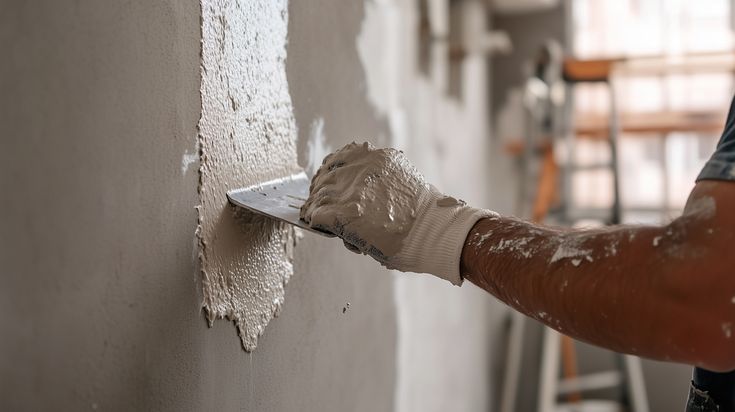
Plastering is one of the most important stages in construction and renovation. It involves applying a layer of plaster to walls, ceilings, and other surfaces to create a smooth, even finish. Beyond improving appearance, plastering in Singleton also protects structures from weather, moisture, and everyday wear and tear. Whether in residential homes, commercial buildings, or industrial projects, quality plastering plays a vital role in ensuring durability and aesthetic appeal.
What Is Plastering?
Plastering is the process of covering rough surfaces such as brickwork, concrete, or block walls with a mixture of cement, sand, and water. In some cases, lime or gypsum-based materials may also be used. The plaster is spread evenly across the surface and then smoothed using specialized tools.
The primary purpose of plastering is to provide a clean and attractive finish while protecting the underlying structure. Properly applied plaster helps create a strong barrier against environmental factors and prepares surfaces for painting, wallpapering, or decorative finishes.
Benefits of Plastering
Improved Appearance
One of the main reasons for Argo Contractors plastering is to enhance the visual appeal of walls and ceilings. Rough masonry surfaces become smooth and uniform, creating an ideal base for interior and exterior decoration.
Increased Durability
Plaster acts as a protective layer that strengthens walls and prevents damage caused by moisture, cracks, and external impacts. It extends the lifespan of the building and reduces maintenance costs over time.
Better Weather Resistance
Exterior plastering protects buildings from rain, wind, and temperature fluctuations. It helps prevent water penetration, which can weaken structural materials and lead to costly repairs.
Enhanced Hygiene
Smooth plastered surfaces are easier to clean and maintain. They collect less dust and dirt compared to rough walls, making them suitable for homes, offices, hospitals, and educational facilities.
Types of Plastering
Cement Plaster
Cement plaster is the most commonly used type in modern construction. It consists of cement, sand, and water. This type of plaster offers excellent strength, durability, and resistance to weather conditions.
Lime Plaster
Lime plaster has been used for centuries and remains popular in restoration projects and traditional architecture. It is flexible, breathable, and environmentally friendly.
Gypsum Plaster
Gypsum plaster provides a smooth finish and is widely used for interior walls and ceilings. It dries quickly and often eliminates the need for additional finishing coats.
Decorative Plaster
Decorative plaster includes textured and ornamental finishes designed to enhance the appearance of interiors and exteriors. These finishes can add character and style to a building.
The Plastering Process
The plastering process begins with surface preparation. Walls must be cleaned to remove dust, loose particles, and grease. Any cracks or holes are repaired before plaster application.
Next, the plaster mixture is prepared according to the required specifications. The first coat, often called the base coat, is applied evenly to the surface. After it partially dries, a second finishing coat may be added to achieve a smoother appearance.
Finally, the plastered surface is cured by keeping it moist for several days. Proper curing ensures strength, prevents cracking, and improves overall durability.
Common Plastering Problems
Poor workmanship or incorrect material proportions can lead to issues such as cracking, blistering, peeling, or uneven surfaces. Moisture infiltration can also damage plaster if waterproofing measures are not properly implemented.
Hiring experienced professionals and using quality materials significantly reduces the likelihood of these problems.
Conclusion
Plastering is an essential part of construction that combines functionality with aesthetics. It provides smooth surfaces, protects structures from environmental damage, and improves the overall appearance of a building. Whether applied to new construction projects or renovation work, quality plastering contributes to stronger, more attractive, and longer-lasting structures. Investing in proper plastering techniques and materials ensures a durable finish that stands the test of time.